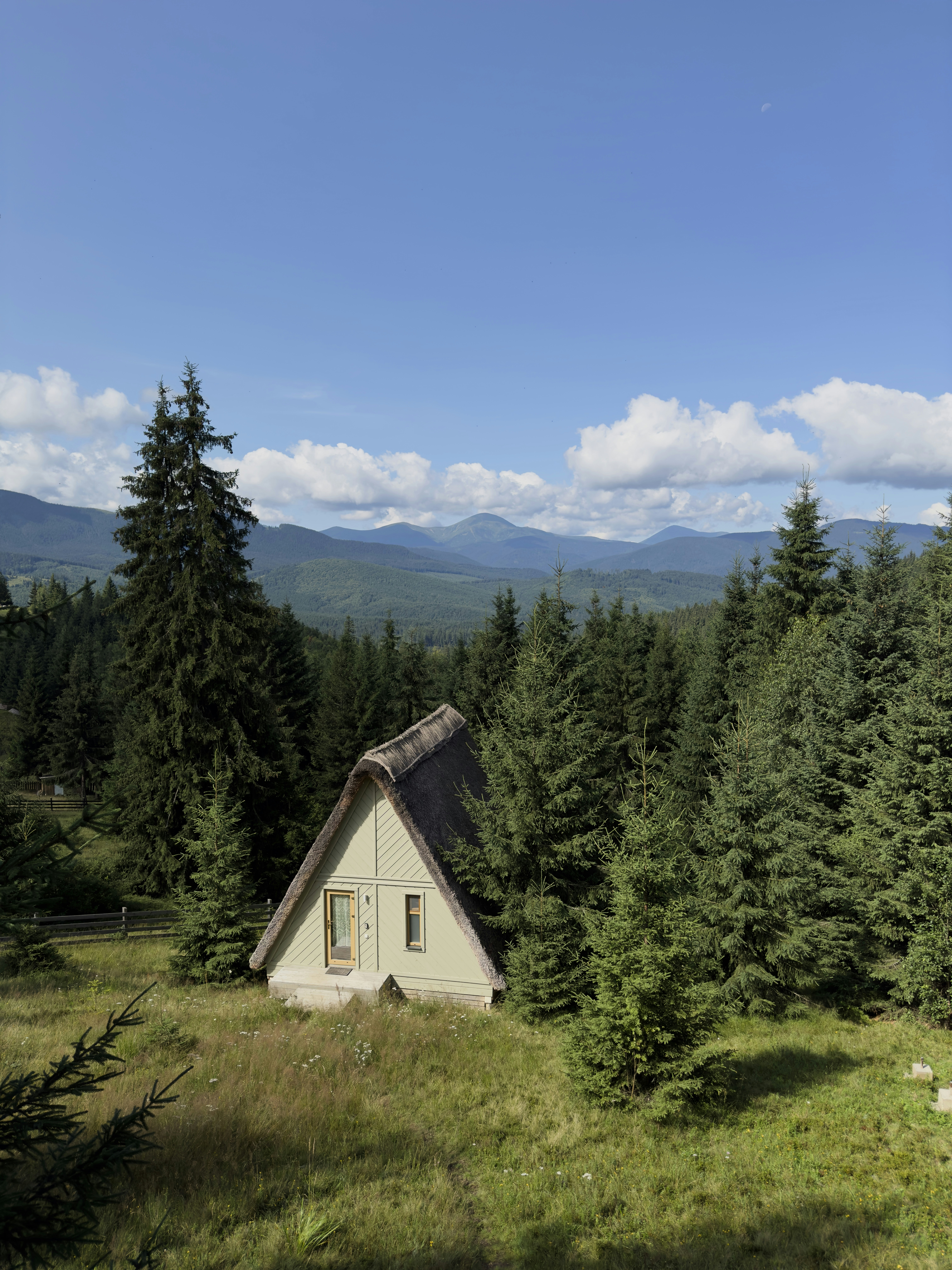
Before you wire a down payment on a lakeside dream, let a sharp eye find the rot the listing photos never showed.
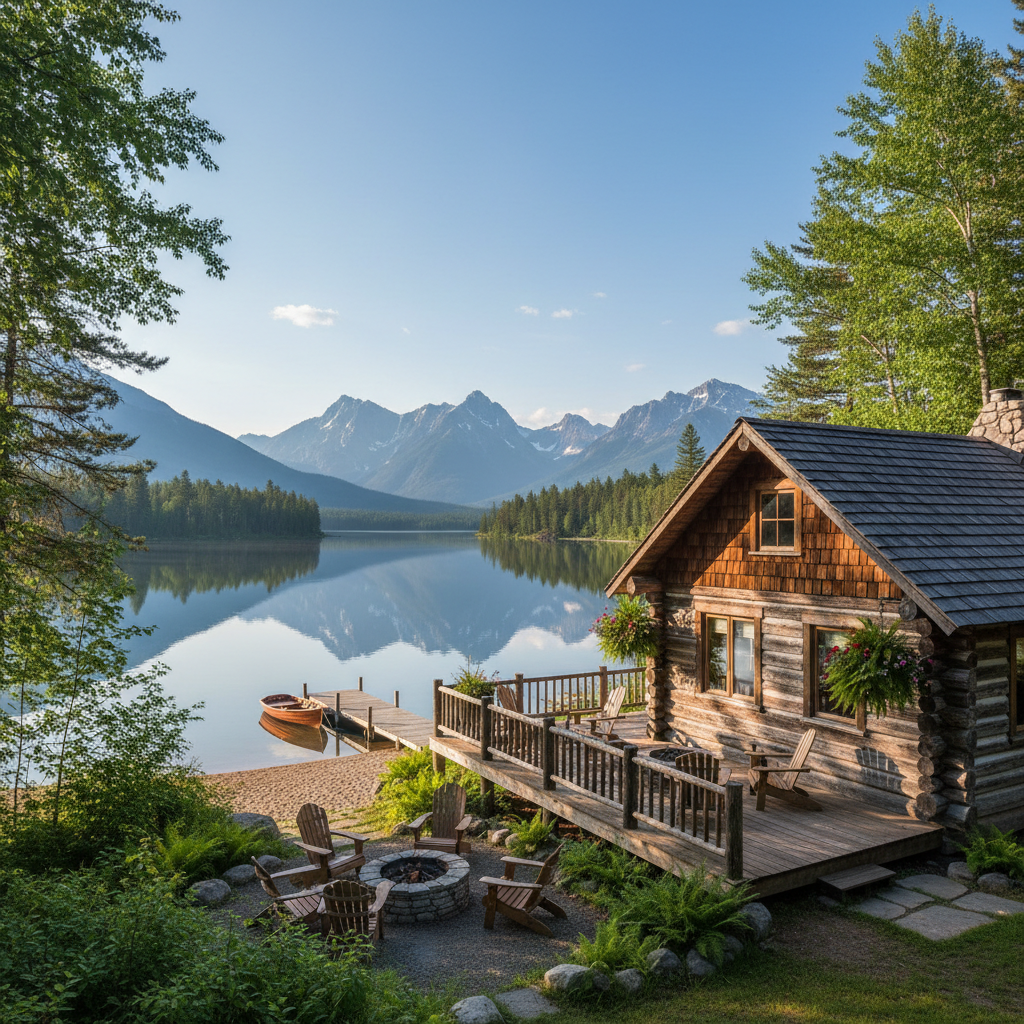
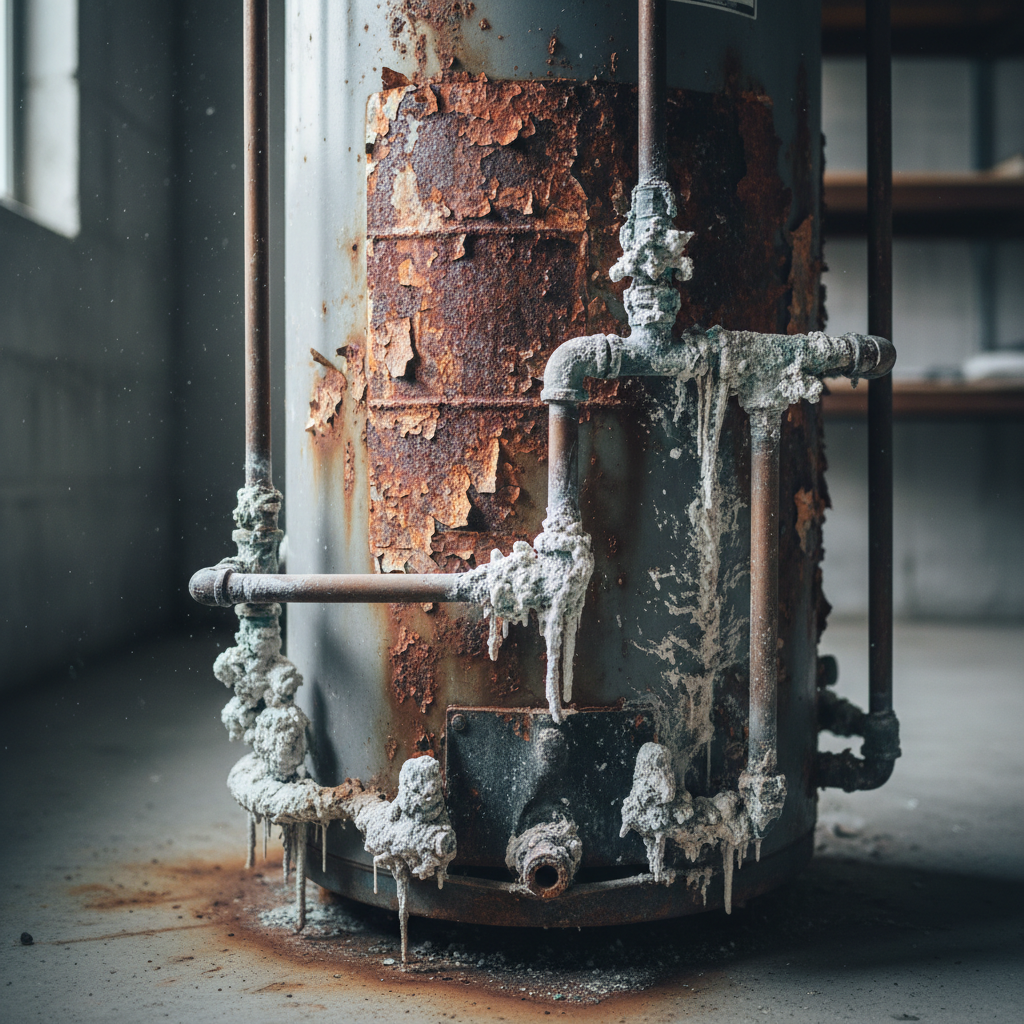
The water heater that sat empty for eleven months.
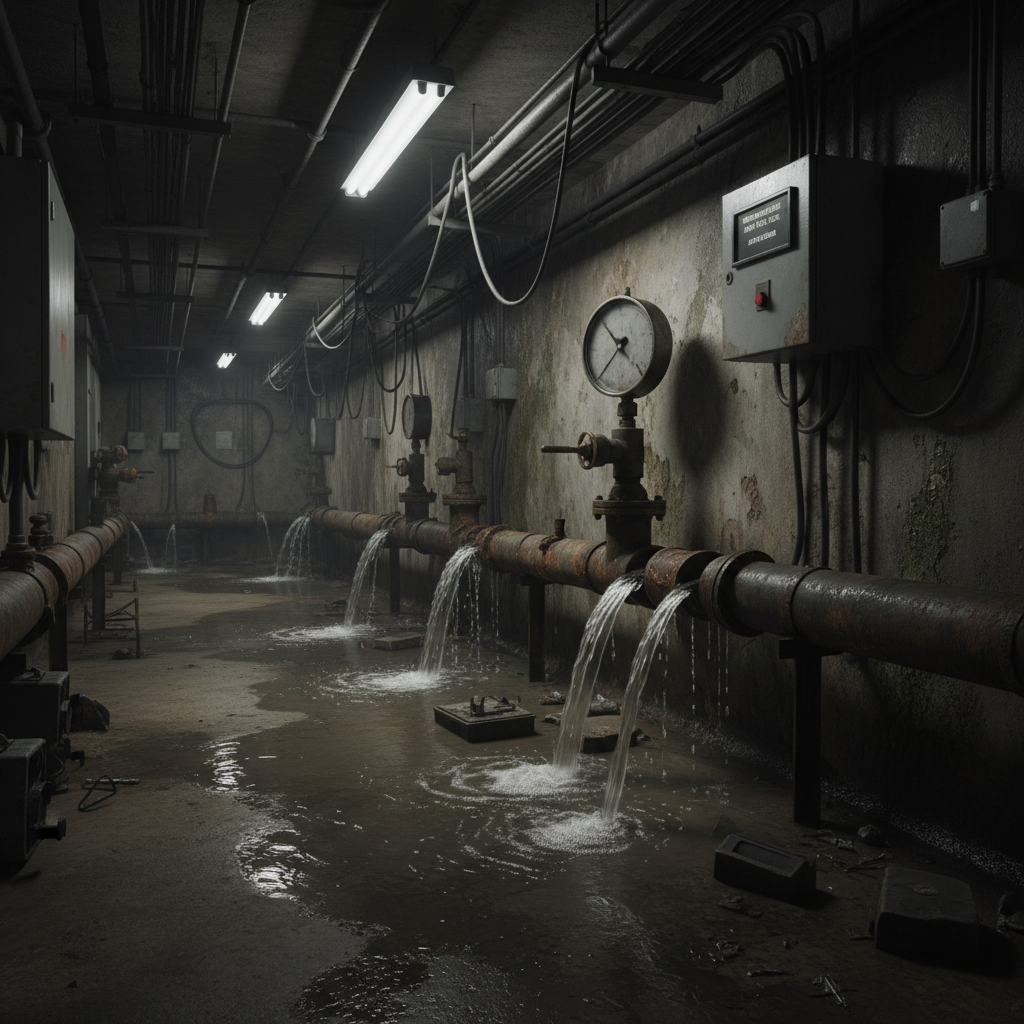
The listing said turnkey. The water heater said otherwise. Hard water mineral deposits had calcified the heating element and the supply lines showed the kind of corrosion you only get when a property sits unoccupied for most of the year — cold water sitting in pipes, expanding, and slowly eating the fittings from the inside. Not a disaster. But not free.
Buyer used the report to negotiate $8,200 off the asking price — covering the water heater replacement, a new pressure relief valve, and a plumber's inspection of the full supply line.
The deck that looked solid until you checked the joists.
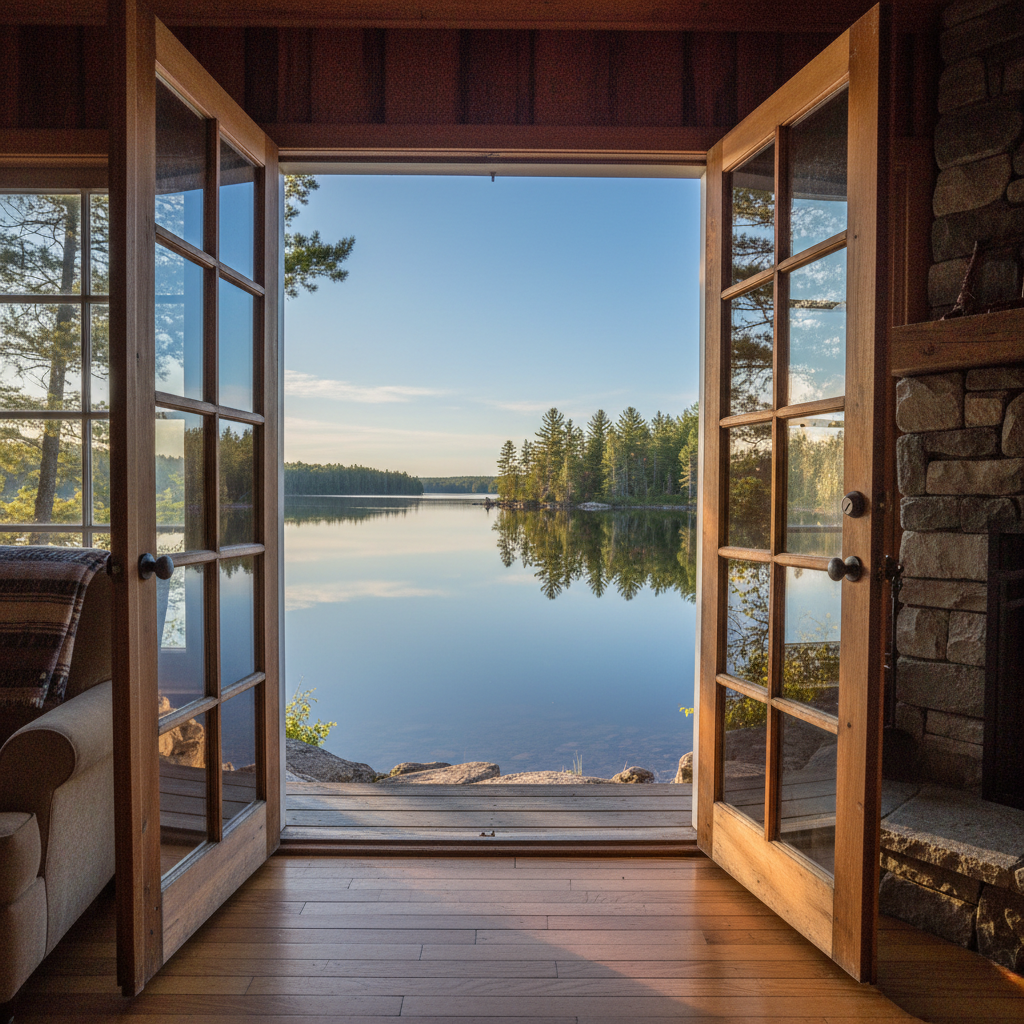
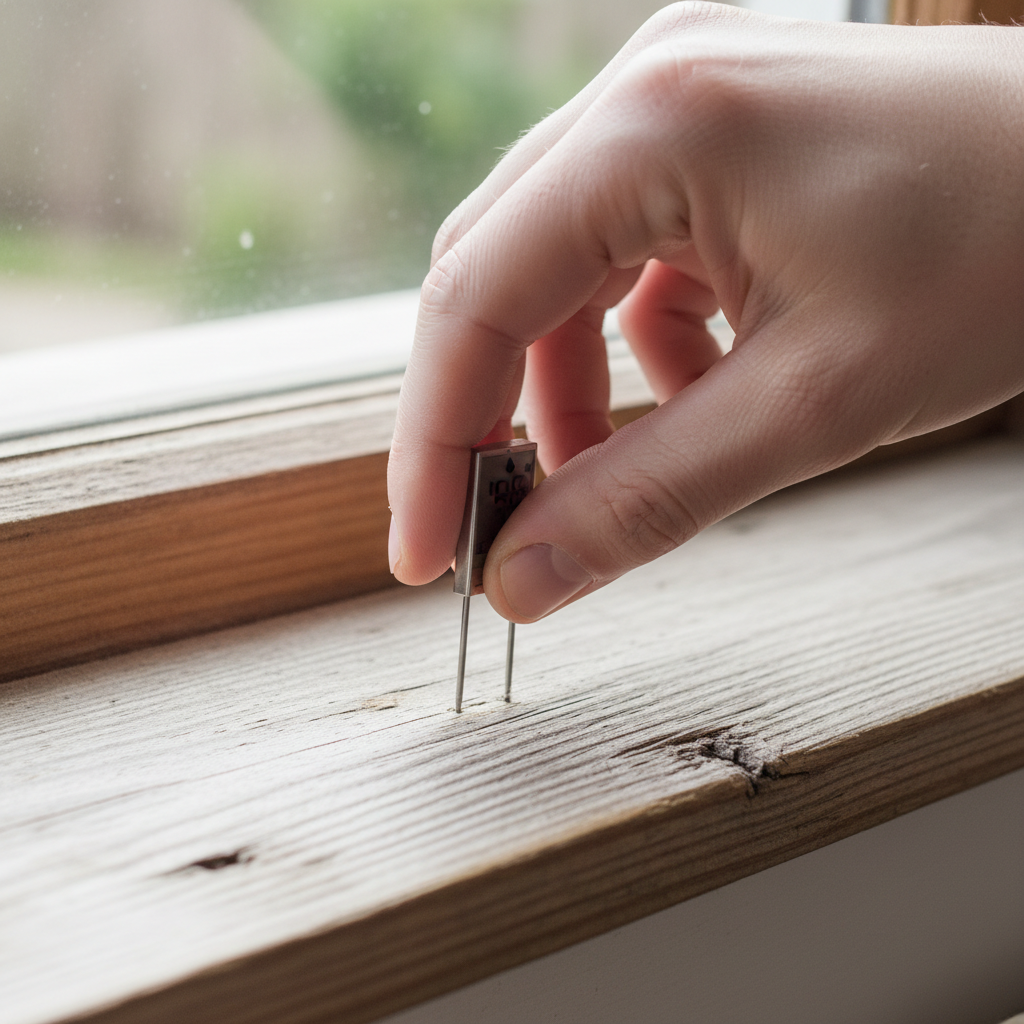
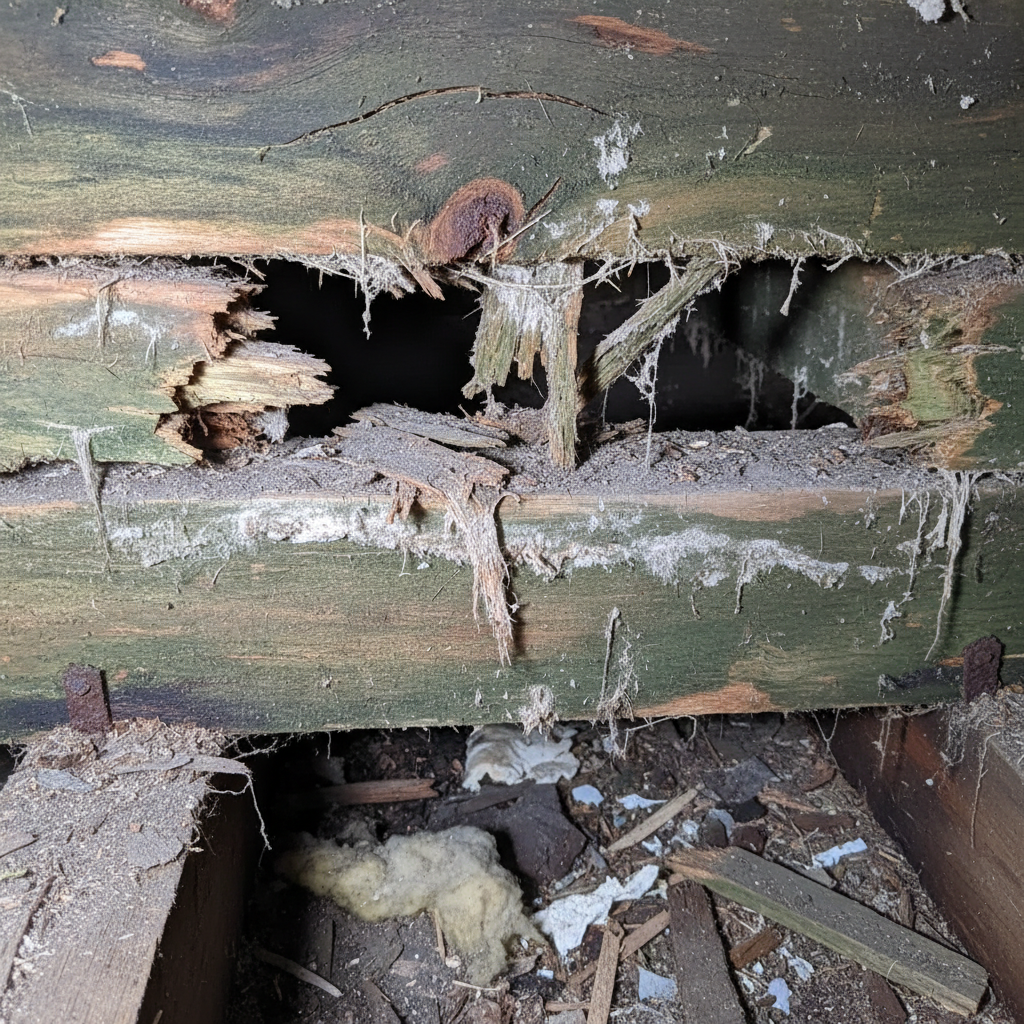
Mountain properties in wet climates develop their worst problems slowly, invisibly. The deck looked perfect in the listing photos — freshly stained, no visible rot. Below the surface, the rim joist had been wicking moisture for years. The wood was soft to the probe in three places. Vacationers use decks constantly. A failing joist under a hot tub in peak season doesn't end with a renegotiation.
Seller agreed to full deck reframing before close. Buyer purchased knowing the structural issue was remediated — and knowing every other system had been evaluated by someone who wasn't trying to sell the property.
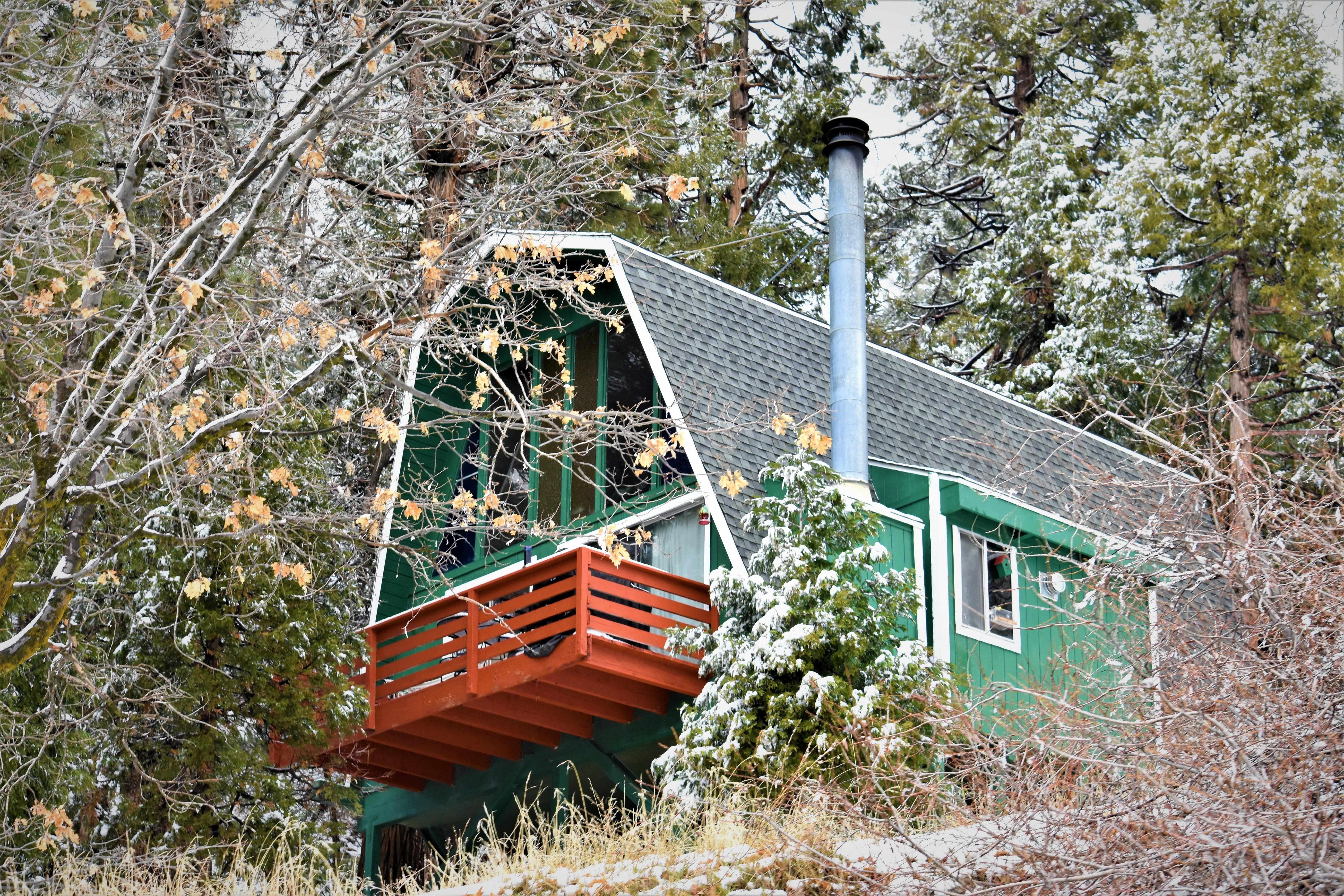
What thrives in a shuttered bathroom nobody opened since August.
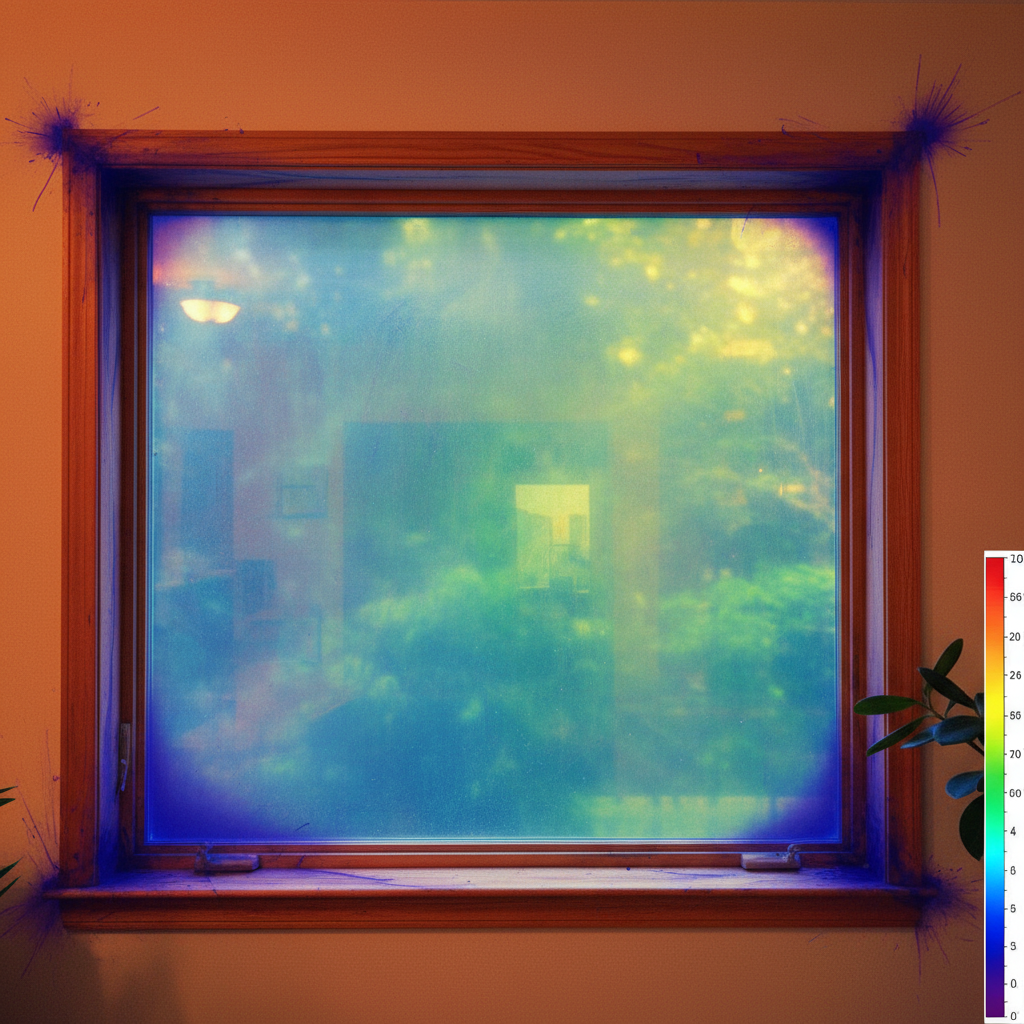
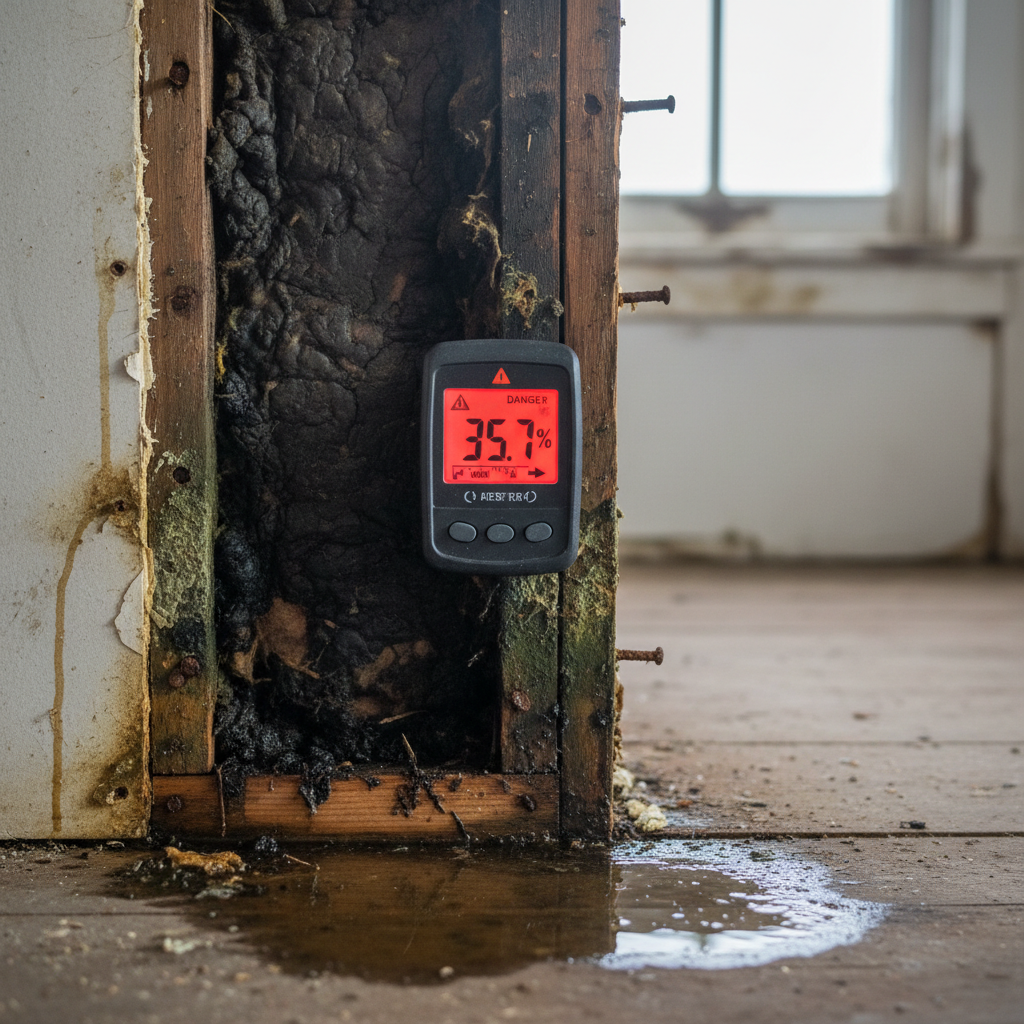
The second bathroom had been closed off between rental seasons. Nobody opened it during the listing. When we did, the moisture meter read 94% in the wall cavity behind the shower. The mold colony was established — black, extensive, and the kind that triggers remediation requirements, not a caulk gun. The HVAC system had been circulating air through that space for months. Guests had been sleeping in it.
Seller declined to remediate before close. Buyer walked. The inspection didn't save money — it saved sanity. Two months later, the property relisted at $72,000 less with a mold disclosure.
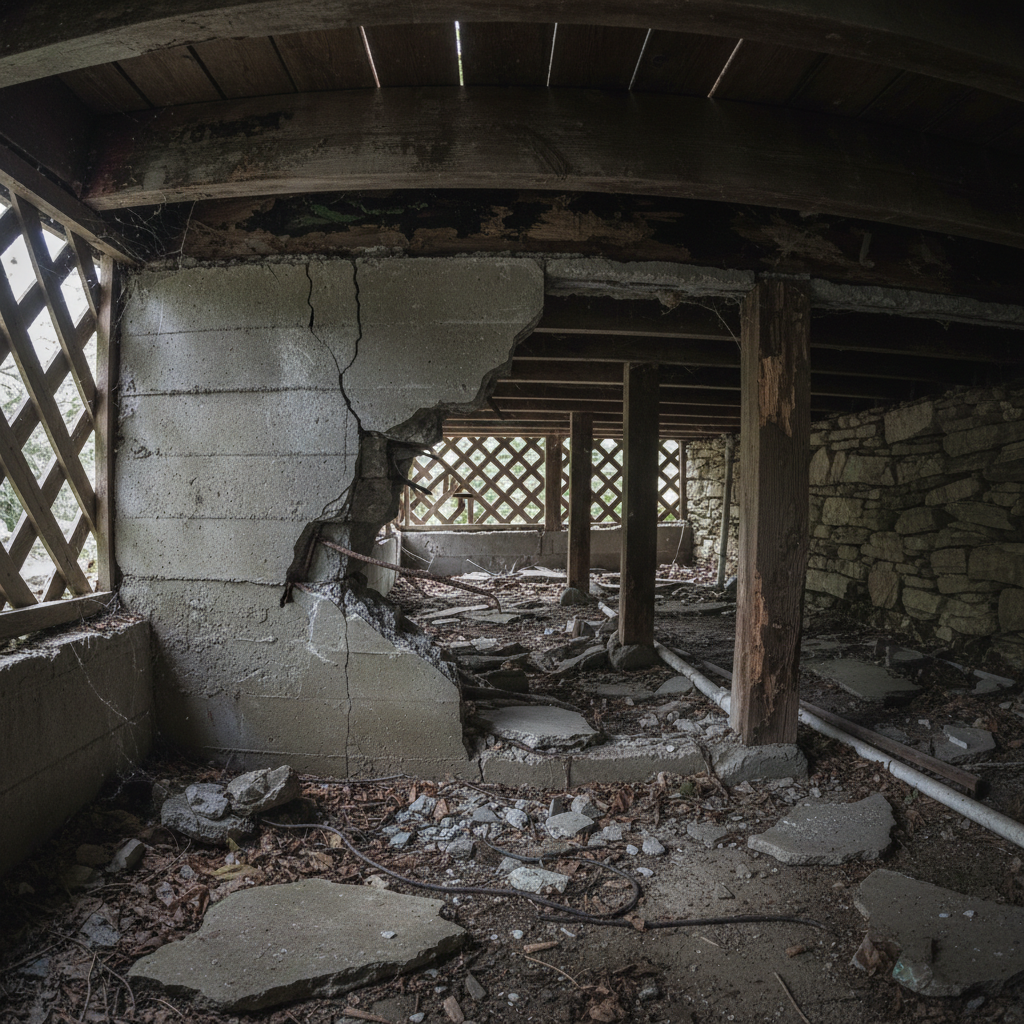
The elevated foundation the seller called "standard coastal construction."
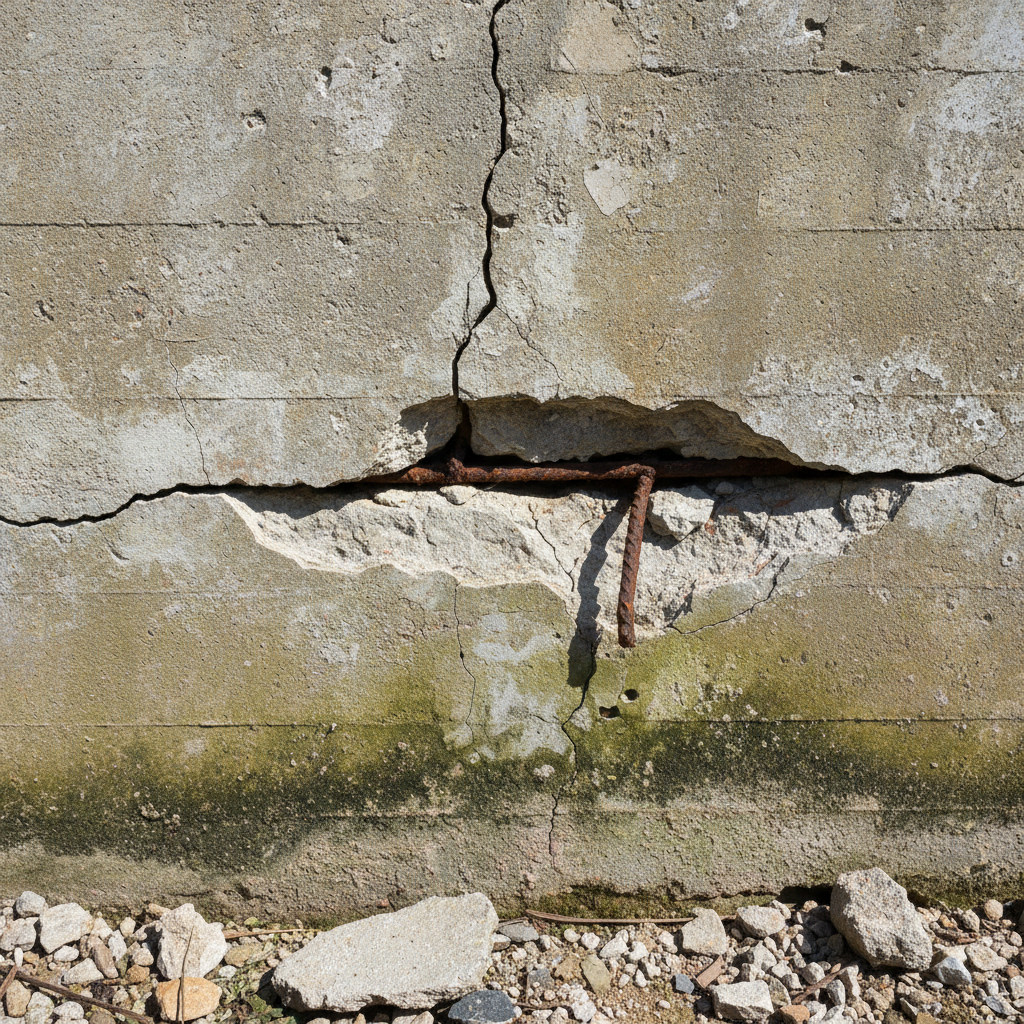
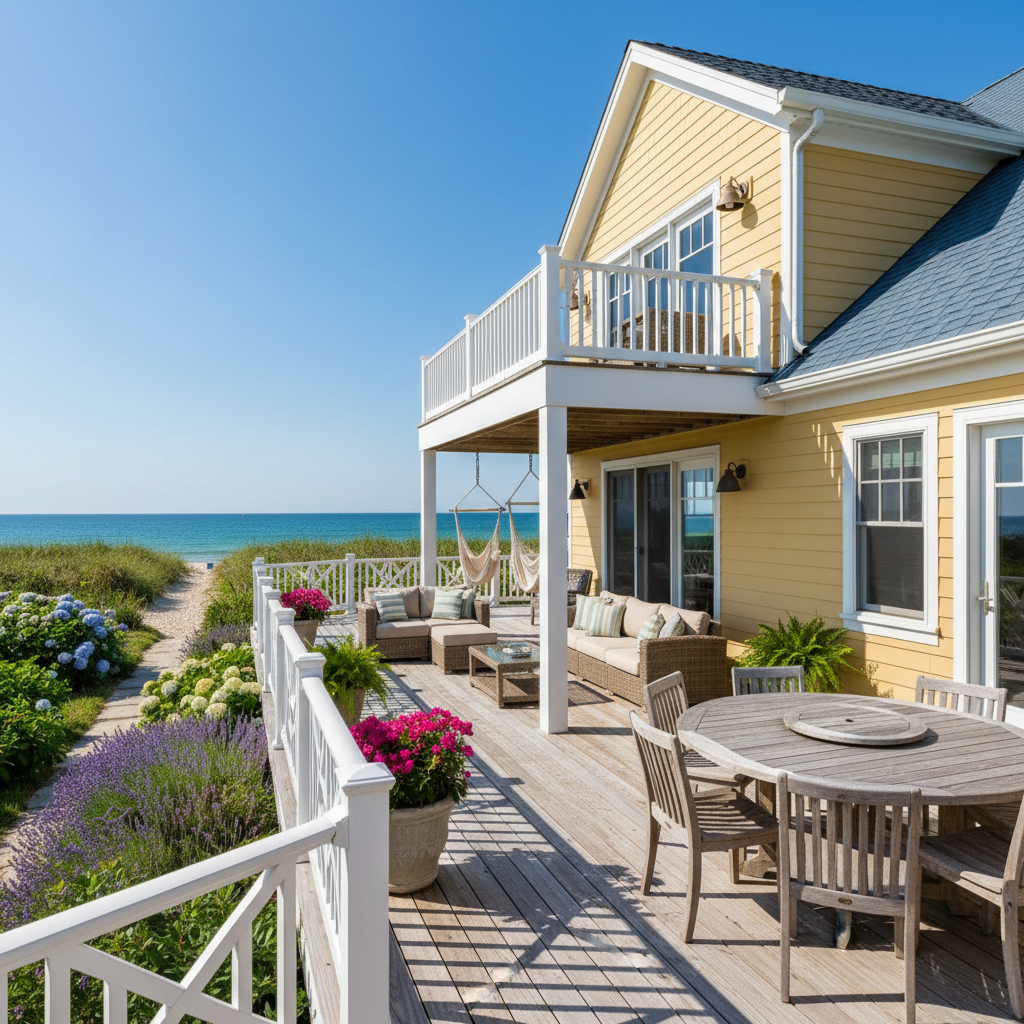
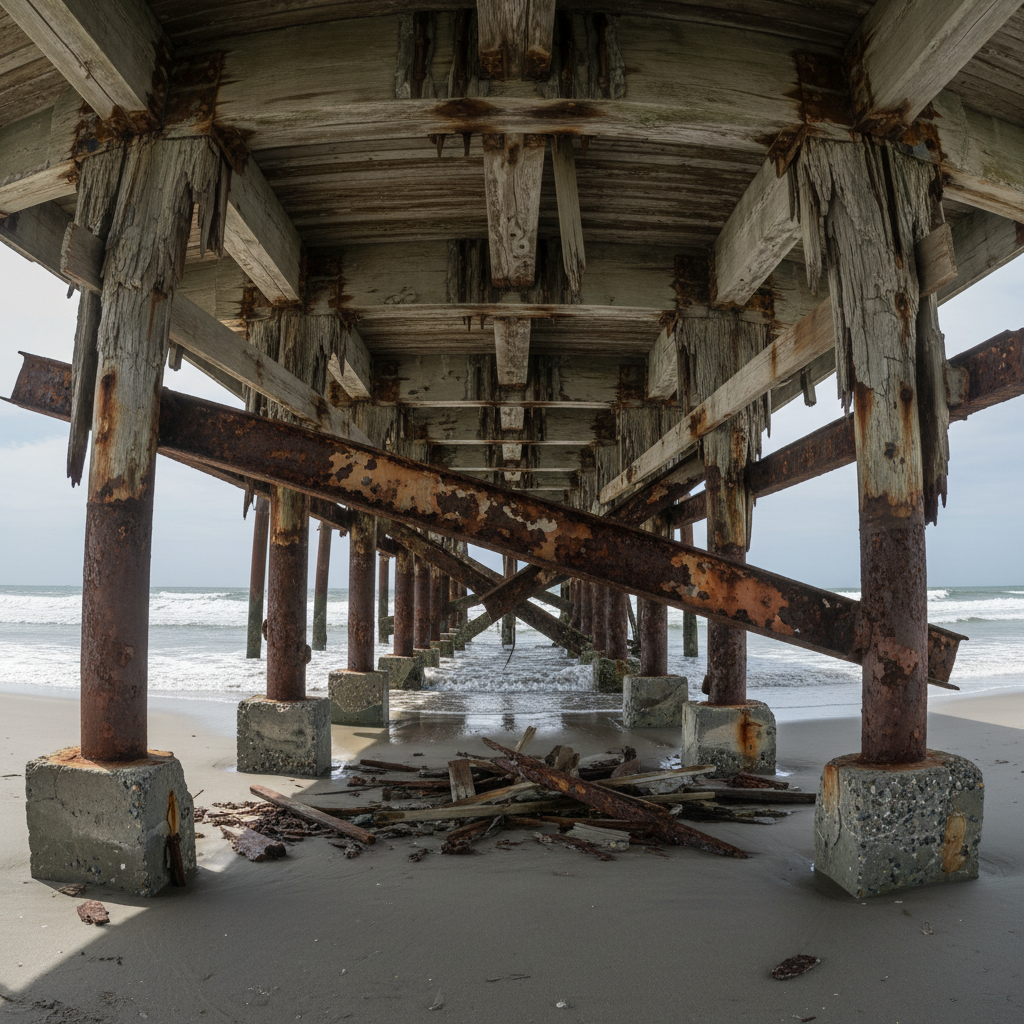
Coastal elevation is standard. Corroded steel piling straps, a rotted sill plate on the seaward side, and a sewer line showing significant salt intrusion are not. The listing agent called it "typical coastal character." Our report called it a structural engineering review, a full sewer scope, and a contractor estimate that came in at $31,000 before we even addressed the electrical panel — which had never been upgraded from the original 1987 installation and sat in a salt-air crawlspace for 38 years.
Buyer negotiated a $25,000 credit at close plus seller-funded structural engineering report. The inspection fee was $650. The return on that $650 was $25,000 in direct savings — before accounting for what those issues would have cost post-close with no leverage.

By the time you've read four stories, the inspection fee feels like the cheapest line item in the deal.
86% of inspections find something. The ones that don't still give you confidence nothing was hidden.
200 things we look at.
All of them matter.
Vacation properties fail differently than primary residences. Our checklist is built for properties that sit empty, see heavy turnover, and age in coastal or mountain climates.
Roof & Exterior
38 points- Shingle condition & age
- Flashing & sealants
- Gutters & drainage
- Chimney plumb & mortar
- Siding, trim & caulking
Electrical Systems
32 points- Panel capacity & labeling
- GFCI in wet areas
- Outlet & switch function
- Smoke & CO detectors
- Hot tub & dock wiring
Plumbing
29 points- Water heater age & condition
- Supply line corrosion
- Drain & waste lines
- Moisture meter readings
- Well & septic (if applicable)
HVAC
24 points- System age & capacity
- Filter condition
- Duct integrity
- Thermostat function
- Seasonal stress evaluation
Structure & Foundation
41 points- Foundation cracks & settlement
- Crawlspace moisture
- Floor joist condition
- Deck & porch framing
- Sagging or soft spots
Safety & STR-Specific
36 points- Deck load & railing integrity
- Pool & dock safety
- Lock & latch function
- Vacation rental wear patterns
- Mold & air quality
Download the Full 200-Point Checklist
The complete PDF — every item we inspect, organized by category, with notes on what failure looks like and what it costs.
The inspection fee is the
cheapest insurance you'll ever buy.
Most clients save $8,000–$25,000. Some save themselves from a catastrophic mistake entirely. A 2–3 hour walkthrough pays for itself before escrow closes.
Vacation & Short-Term Rentals
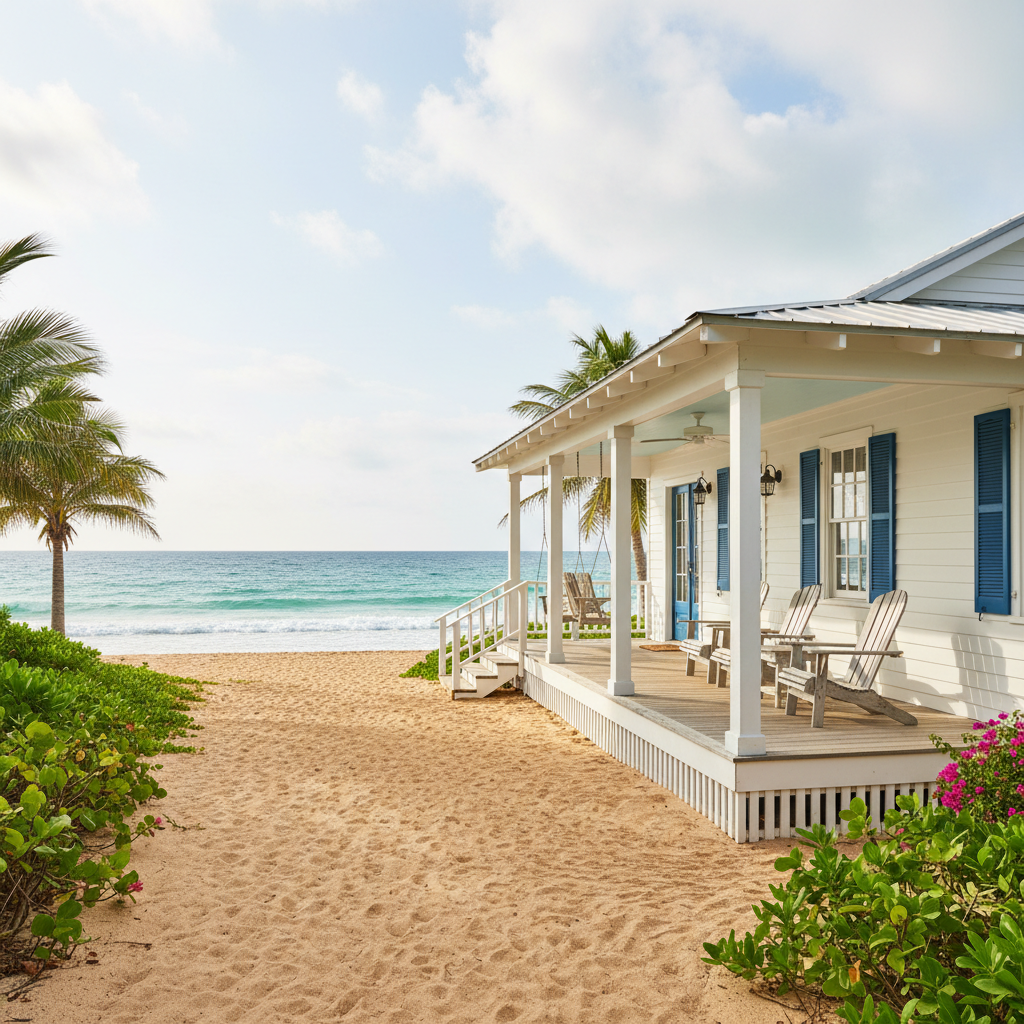
Beachfront bungalows, mountain A-frames, lakeside cabins — properties that sit empty 11 months a year develop problems nobody notices until it's expensive.
200-Point Checklist
Roof, foundation, HVAC, plumbing, electrical, decks, docks, crawlspaces, and every system that carries the load of short-term rental use.
Flat-Rate Pricing
No surprises. Full written report with photos delivered within 24 hours. Price quoted upfront before we schedule.
"86% of inspections find something that needs fixing. The question is whether you find it before or after you close."